
Exploring the 18 Coolest Volcanoes in the World: A Visual Guide
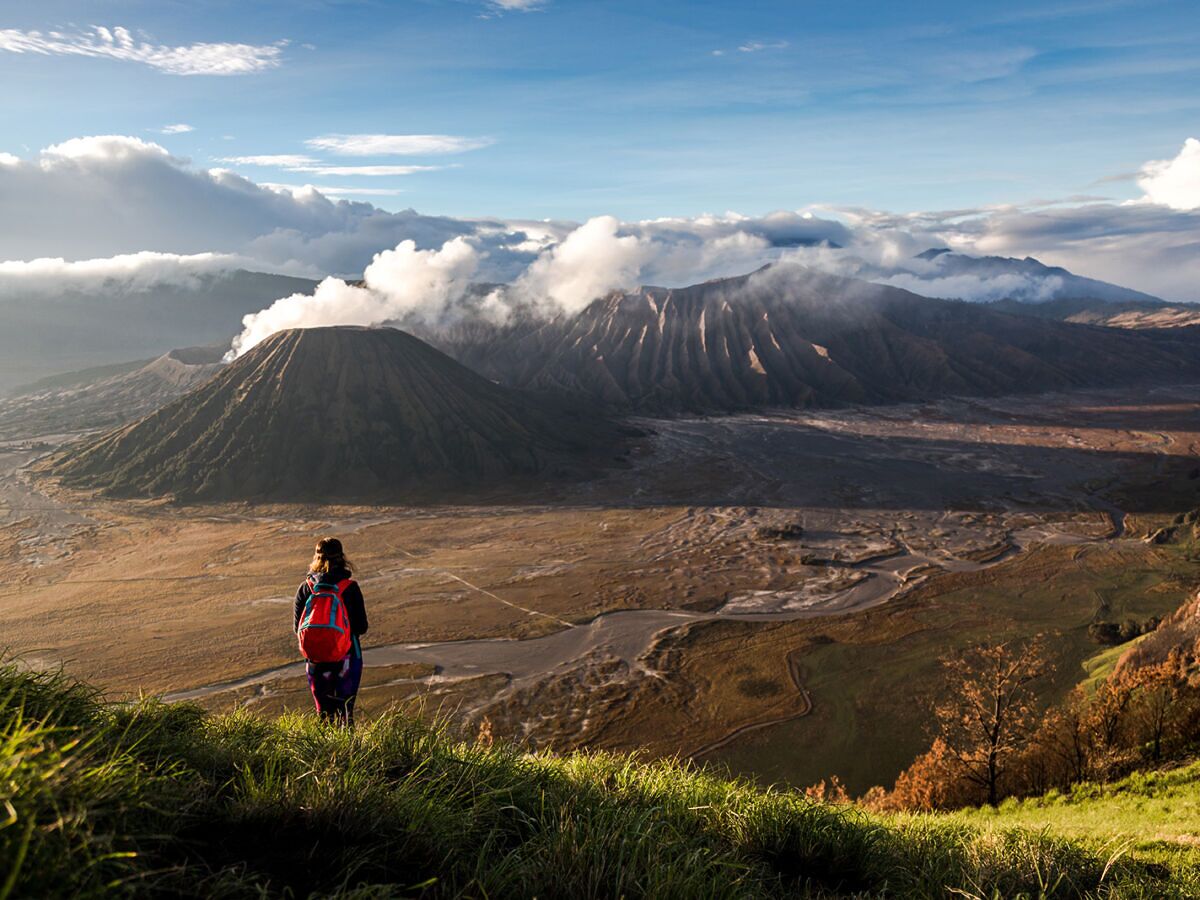
Volcanoes are a stark reminder that our planet is alive and constantly evolving. They connect the world above to the immense geological forces at work beneath the surface, shaping landscapes and ecosystems in dramatic — and sometimes catastrophic — ways. When a volcano erupts, it can release lava, ash, and gases with enough energy to transform entire regions, creating new land or destroying existing ecosystems.
The 1980 Mount St. Helens eruption, for instance, unleashed a blast that flattened more than 200 square miles of forest, filled rivers with debris, and permanently reshaped the Pacific Northwest’s topography. In contrast, Iceland’s 2021 Fagradalsfjall eruption painted a different story, forming lava fields and turning barren terrain into a geological laboratory. These events, whether destructive or creative, tether us to Earth’s ancient history, reminding us of the planet’s unyielding power.
What do the coolest volcanoes in the world look like?
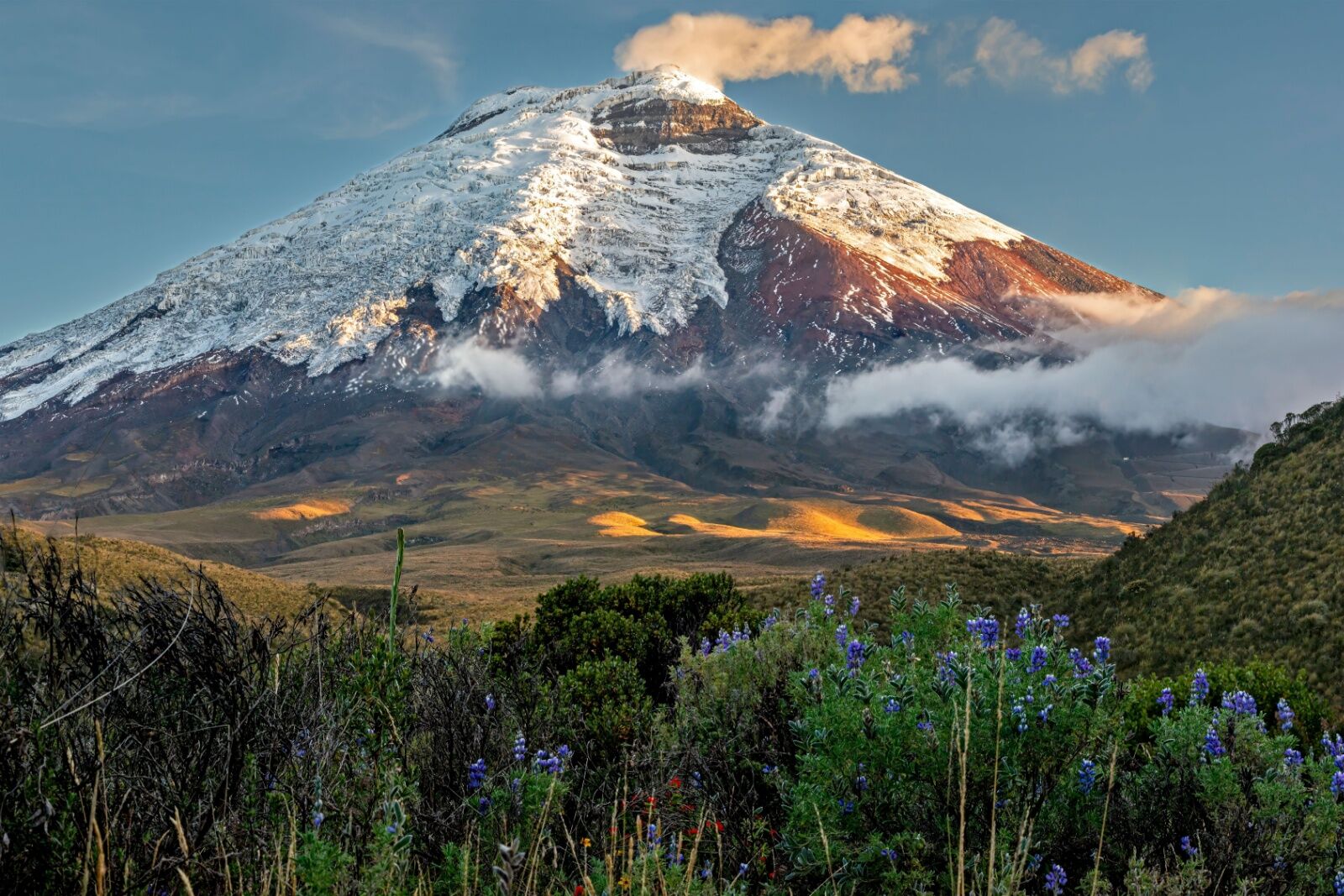
The north face of Cotopaxi in Ecuador. Photo: Henri Leduc/Shuttrstock
Volcanoes come in various shapes and forms, each shaped by geological forces and past eruptions. Visually, they can range from towering, snow-capped peaks to wide, inconspicuous mounds.
Some of the coolest volcanoes in the world are composite volcanoes, also called stratovolcanoes; they’re the archetypal “volcano” shape. These symmetrical cones rise from their surroundings and include internal layers of lava and ash. Their snow-capped summits often hide simmering, unpredictable activity. Examples include Mount St. Helens or Mount Fuji.
Shield volcanoes are broad and gently sloping, akin to a warrior’s shield. Lava from explosions travels long distances, creating vast, dark lava fields that can reshape landscapes, as with Hawaii’s Mauna Loa. Their eruptions tend to be less dramatic than those of composite volcanoes.
Cinder cone volcanoes are the simplest and smallest type, often no taller than a small hill. They usually have rough, reddish-brown slopes with a prominent crater at the summit, like Mexico’s Parícutin.
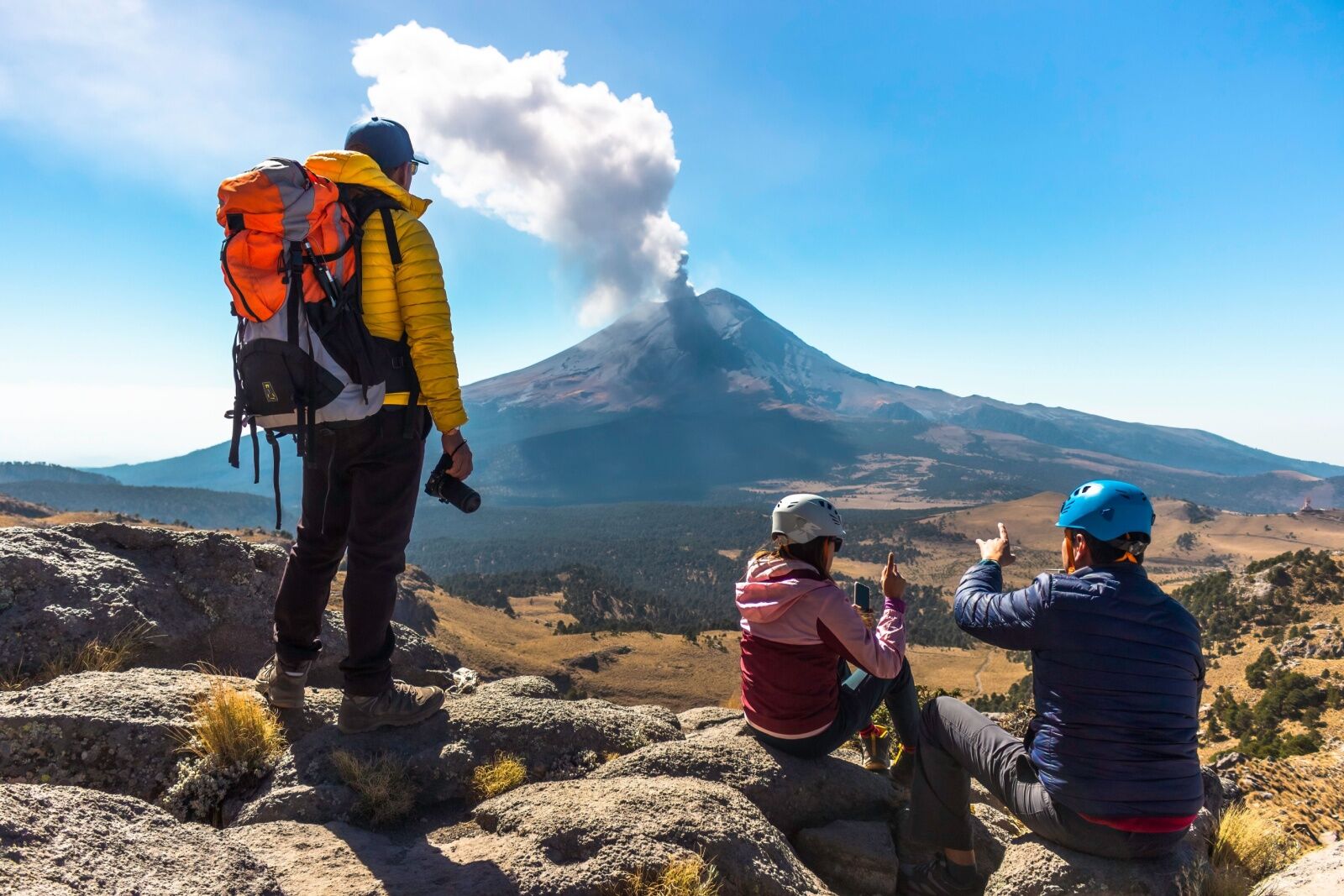
Hikers looking at the summit of Mexico’s Parícutin outside Mexico City. Photo: Nailotl/Shutterstock
Finally, volcanoes can form calderas — large depressions and valleys formed by the collapse of a magma chamber. Yellowstone National Park is a prime example, where a deceptively serene landscape hides one of Earth’s most powerful volcanic systems.
Activity levels of volcanoes are usually classified into one of three states: active, dormant, or extinct. A volcano that is currently erupting, has recently erupted, or shows signs of potential future eruptions is considered active. Dormant volcanoes haven’t erupted in a while, but are expected to erupt again in the future, and still may show subtle signs of activity, such as geothermal heat emissions or occasional tremors. An extinct volcano is no longer expected to erupt due to the lack of a magma supply. However, volcanoes can also be in states of transition: A “dormant” volcano can become active again, or a presumed “extinct” volcano can surprise scientists if tectonic activity resumes.
The coolest volcanoes in the world are a mix of all four types and range from active to extinct, in places ranging from Iceland to Indonesia, and everywhere in between.
Mount Bromo, Indonesia
Photo: Nitish Waila/Shutterstock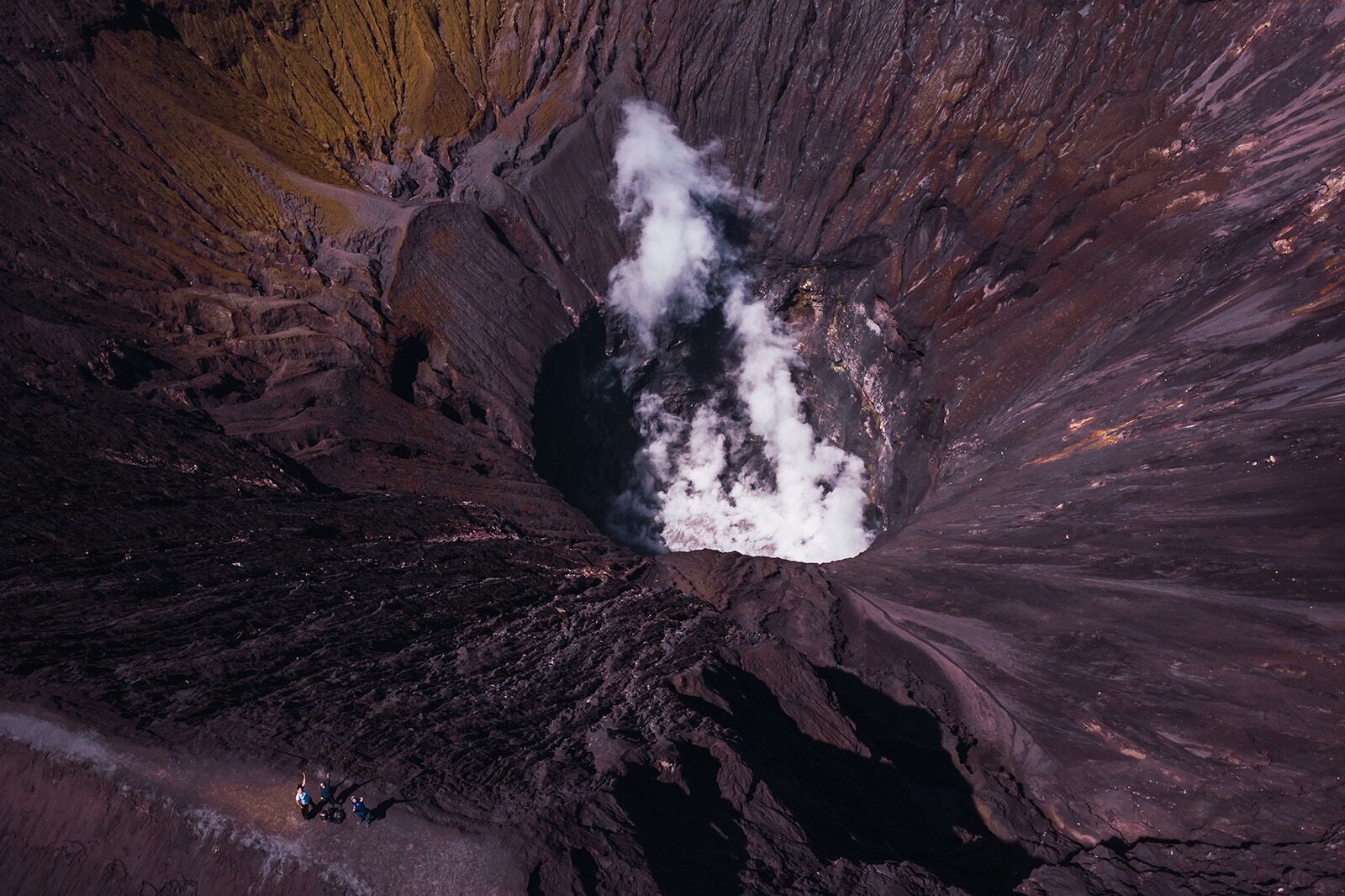 Photo: Miguel Escolano Pujol/Shutterstock
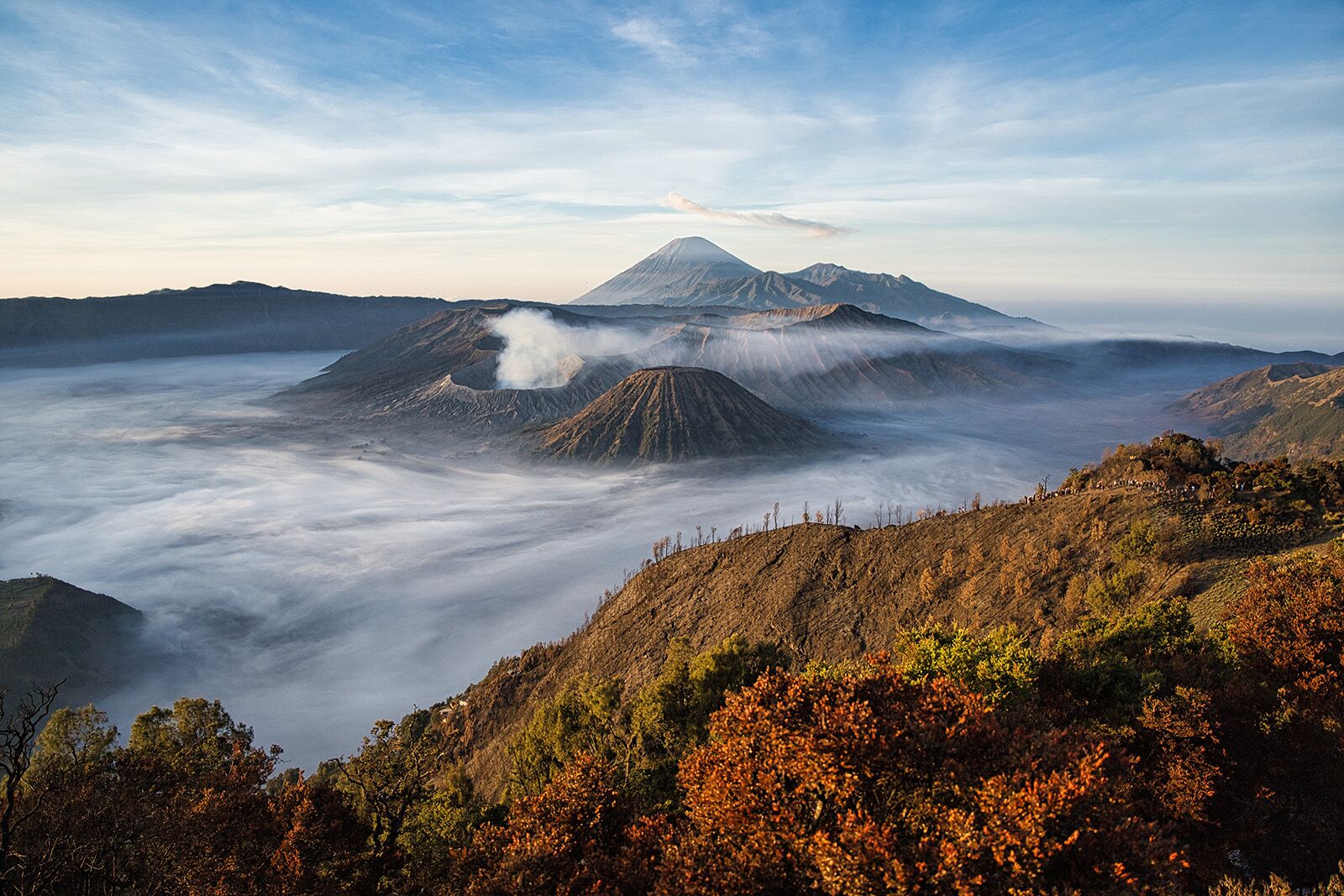 Photo: danolja_pictures/Shutterstock
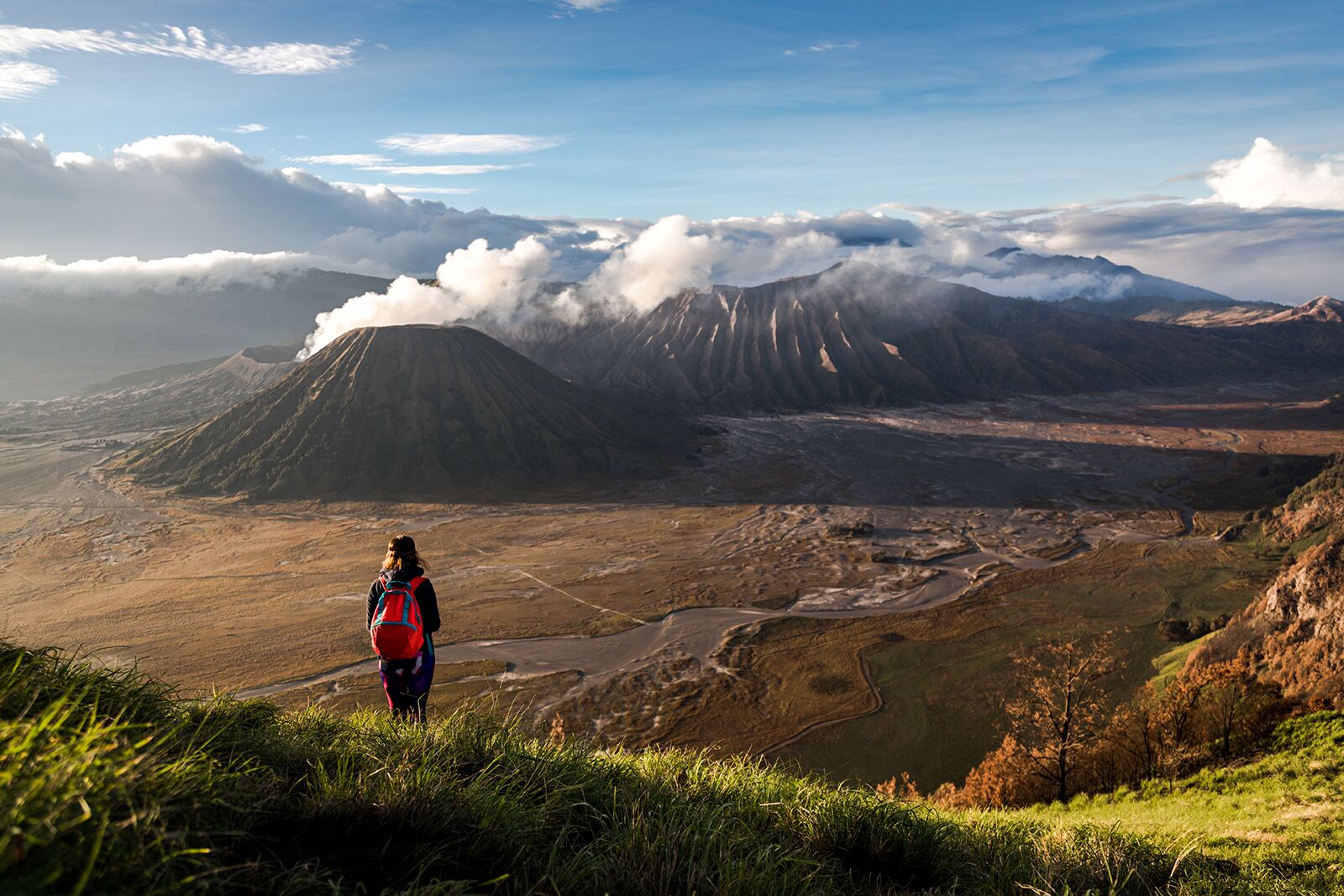
Mount Bromo, part of the Bromo Tengger Semeru National Park in East Java, is a captivating, smoke-belching volcano revered by the Tenggerese people. The landscape surrounding the volcano, known locally as the “Sea of Sand,” is otherworldly: ashen plains cloaked in mist that hides the intricate geometry of Hindu temples, and vibrant green ridges surrounding the volcanic cone. Despite its frequent eruptions, Mount Bromo remains a draw for adventure travelers and spiritual pilgrims alike.
- Nearest town: Probolinggo
- Accessibility: Jeep tours and hiking trails from the nearby mountain village of Cemoro Lawang; guides not required
- Currently state: Active, with periodic minor eruptions
Kīlauea, Hawaiʻi
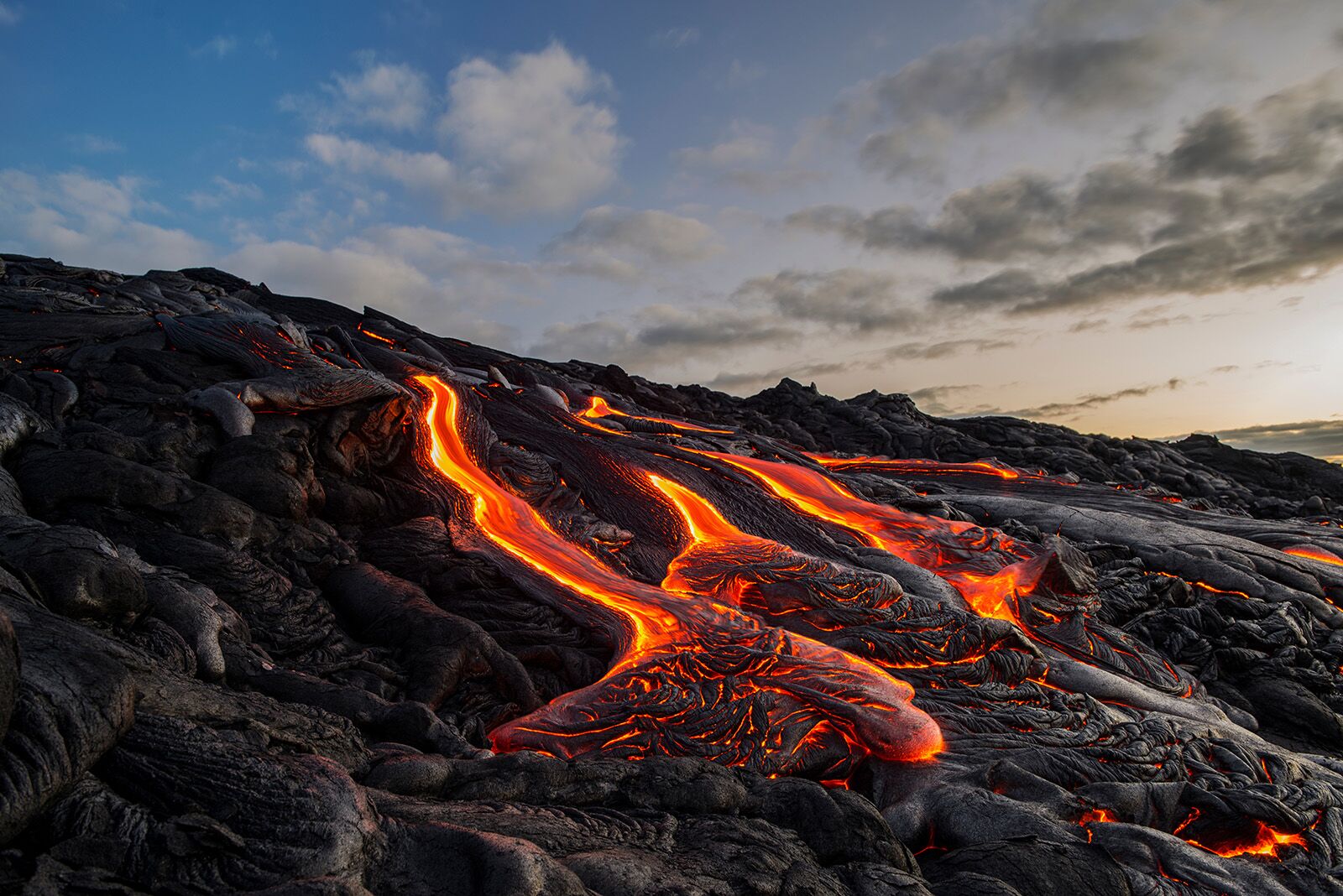 Photo: Yvonne Baur/Shutterstock
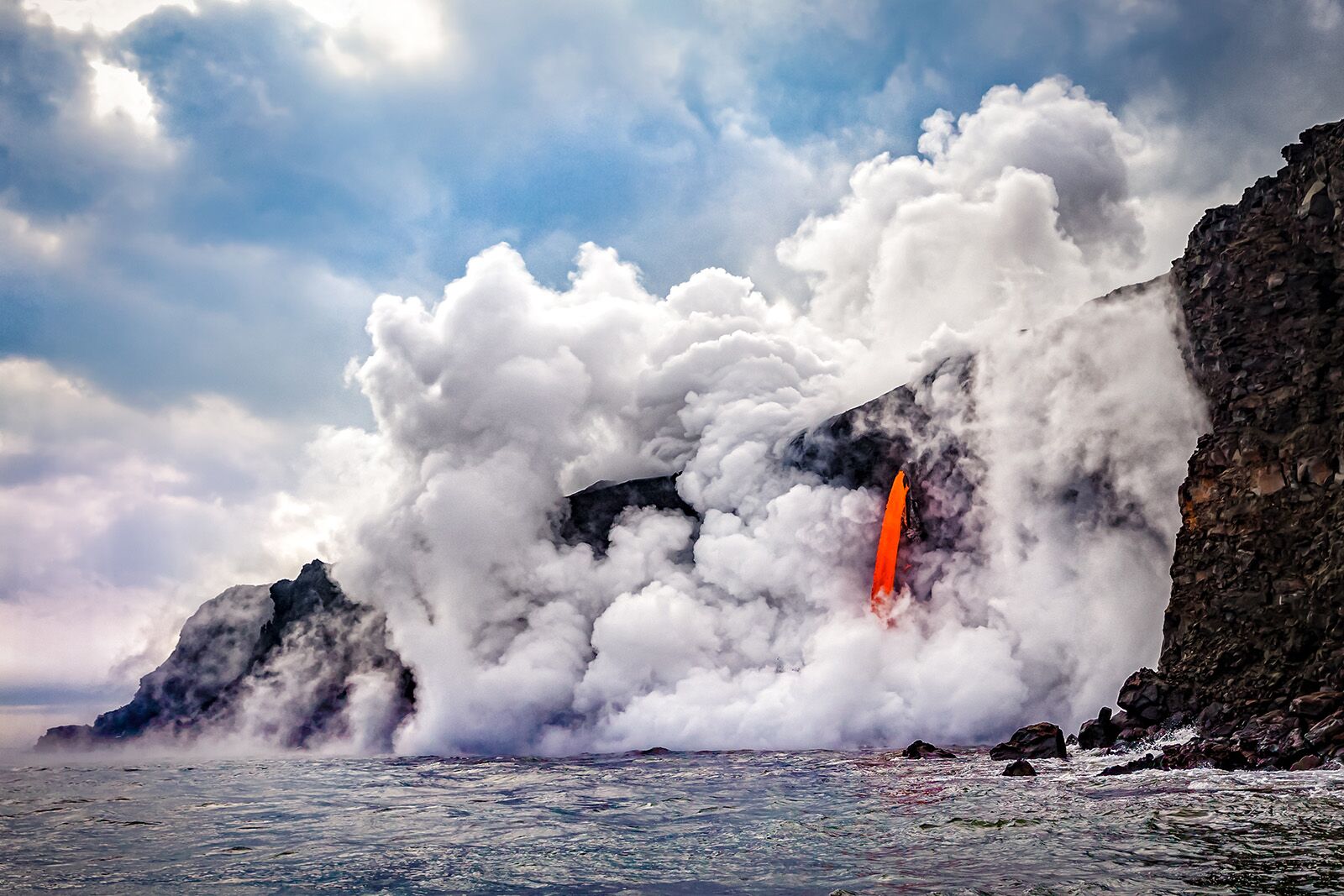 Photo: Jo Crebbin/Shutterstock
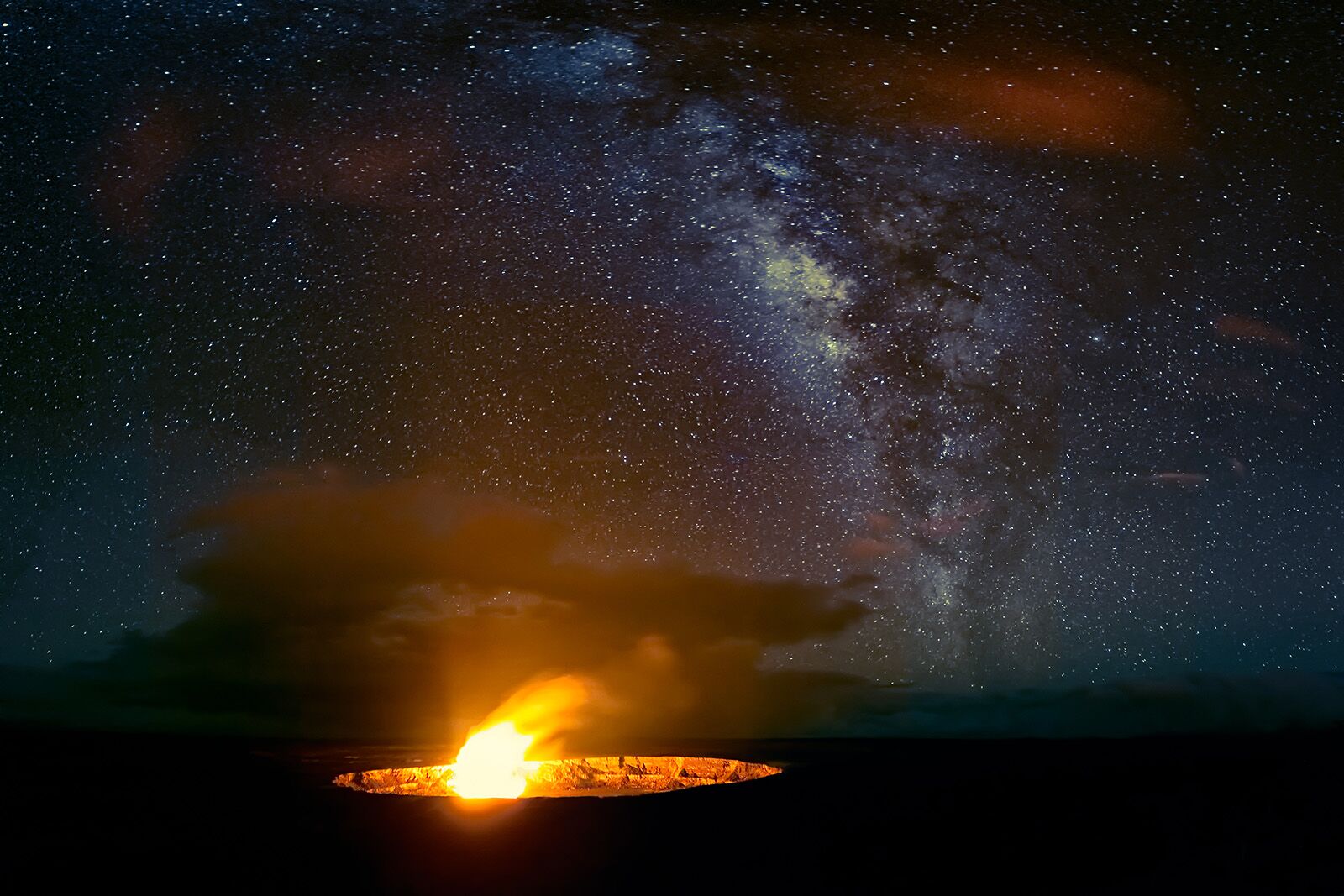 Photo: Eduard Moldoveanu/Shutterstock
In Hawaii’s Hawaiʻi Volcanoes National Park, Kīlauea is among the most active volcanoes on Earth. Its frequent eruptions have reshaped Hawaii’s Big Island, forming new land and creating lava flows bright enough to illuminate the night sky. Kīlauea draws 2.6 million visitors annually, making it one of Hawaii’s major tourist attractions. The park has a variety of hiking trails, guided tours, and observation platforms, allowing visitors to witness lava tubes, steam vents, and the fiery force of nature from a safe distance.
While modern monitoring and evacuation systems have prevented fatalities in recent decades, Kīlauea holds the record for the highest death toll of any volcano in the modern-day US. In 1790, a gas explosion killed more than 80 people.
- Nearest town: Hilo
- Accessibility: Well-maintained park roads and trails with multiple routes to the explosion site
- Current state: Currently erupting
- Where to stay: The best Airbnbs on the Big Island
Mount Fuji, Japan
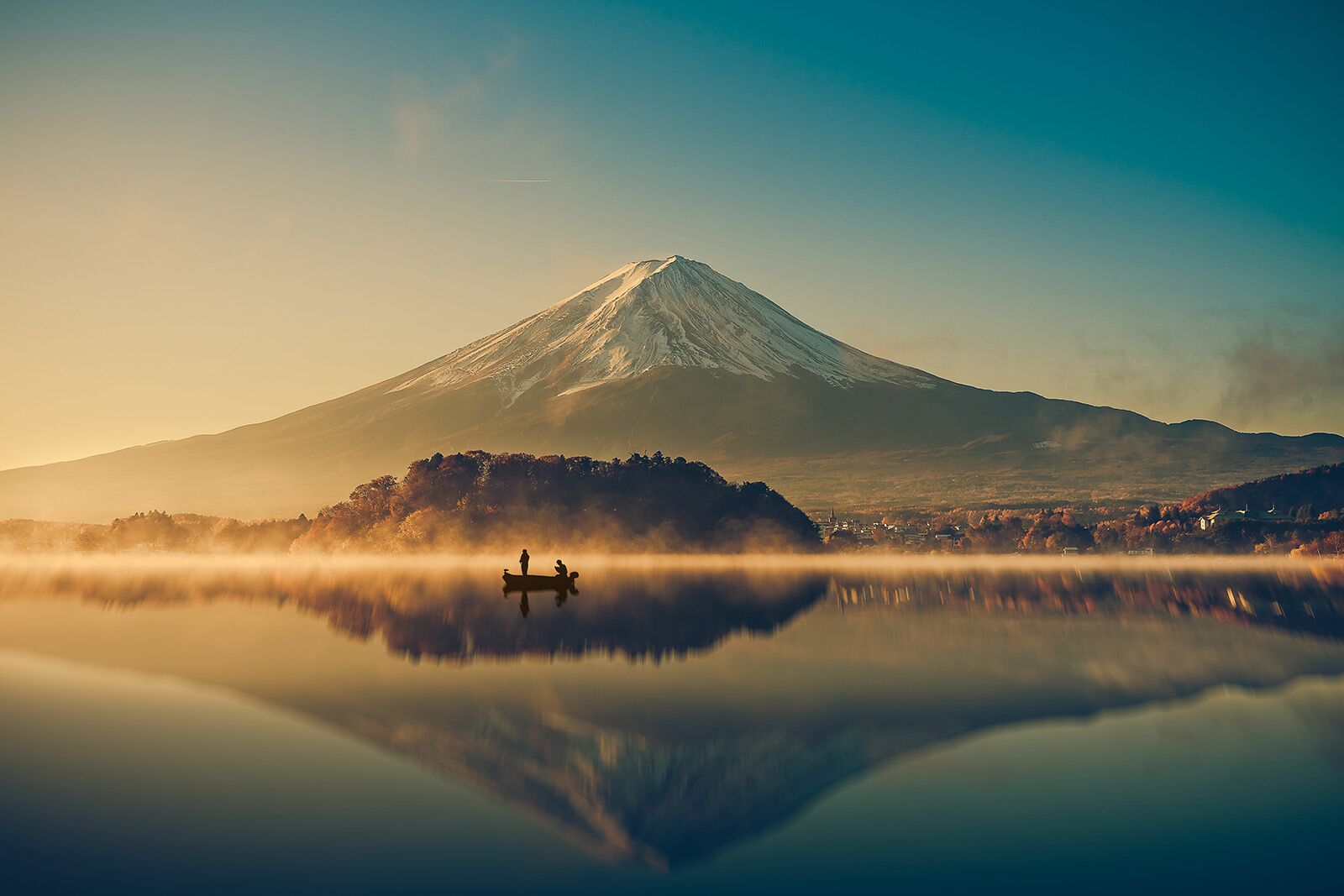 Photo: FocusStocker/Shutterstock
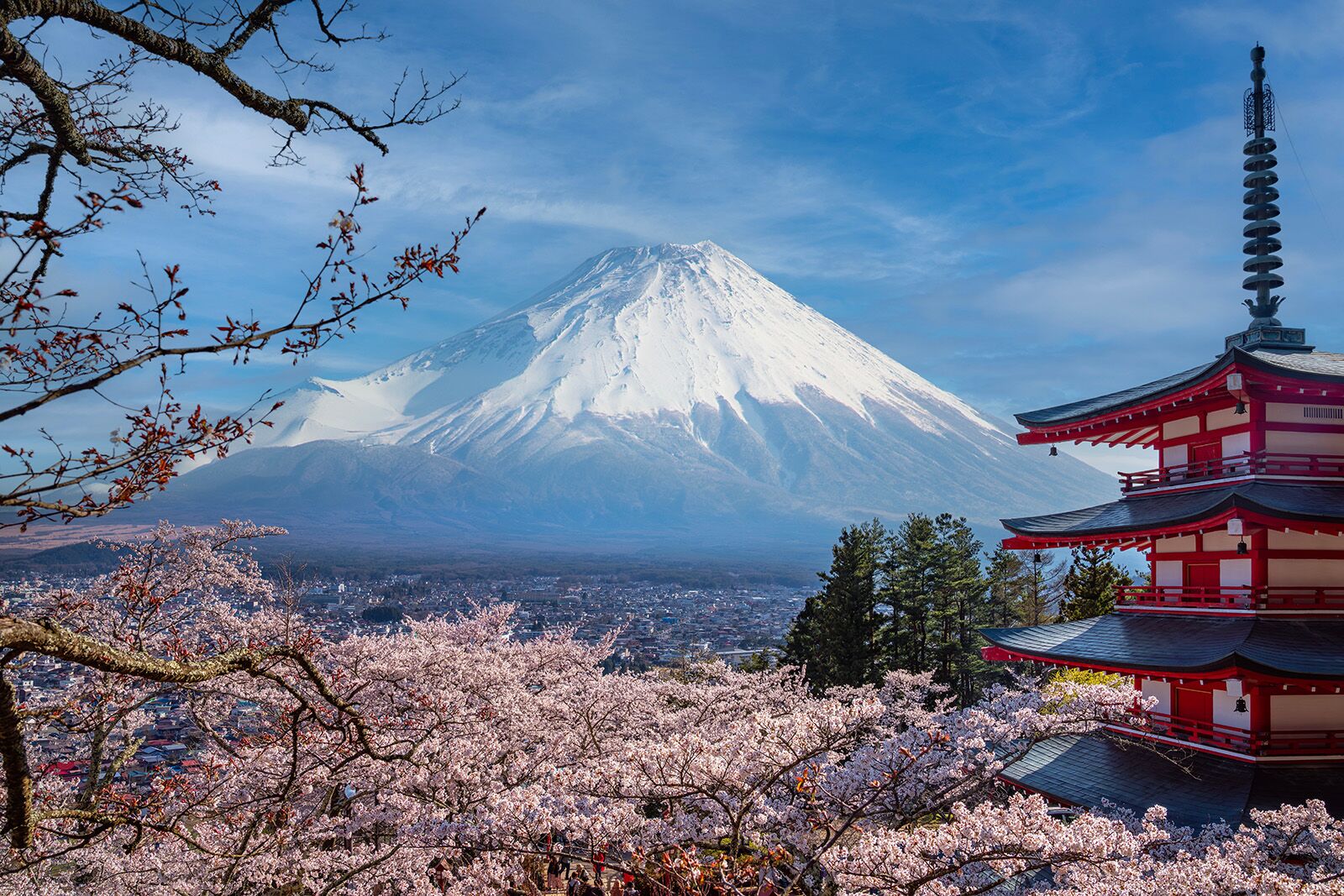 Photo: Anek Soowannaphoom/Shutterstock
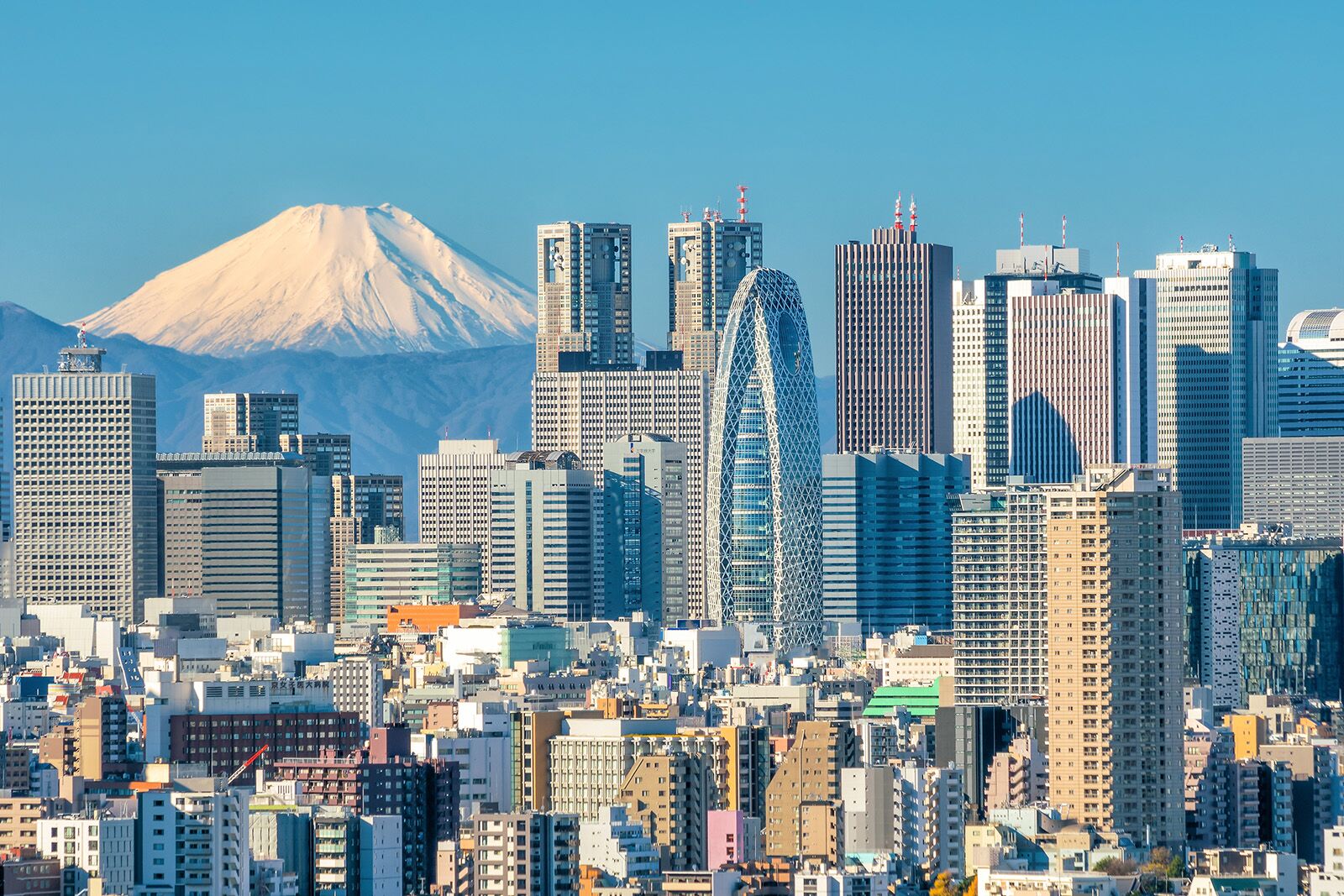 Photo: f11photo/Shutterstock
An emblem of Japan, Mount Fuji is a nearly symmetrical stratovolcano on Honshu Island. Its snow-capped peak, rising to 12,389 feet, is Japan’s highest summit and has inspired centuries of art, literature, and spiritual pilgrimages. Mount Fuji is considered one of Japan’s “Holy Mountains” and is a UNESCO World Heritage Site owing to its cultural and religious importance. It’s also one of the most popular tourist destinations in Japan.
Although dormant, Mount Fuji is closely monitored due to its potential activity. The last recorded eruption occurred in 1707.
- Nearest towns: Fujiyoshida, Fujinomiya, Gotemba, and Fujikawaguchiko
- Accessibility: Easily accessible via hiking trails and public transport; permits may be required
- Current state: Dormant
Erta Ale, Ethiopia
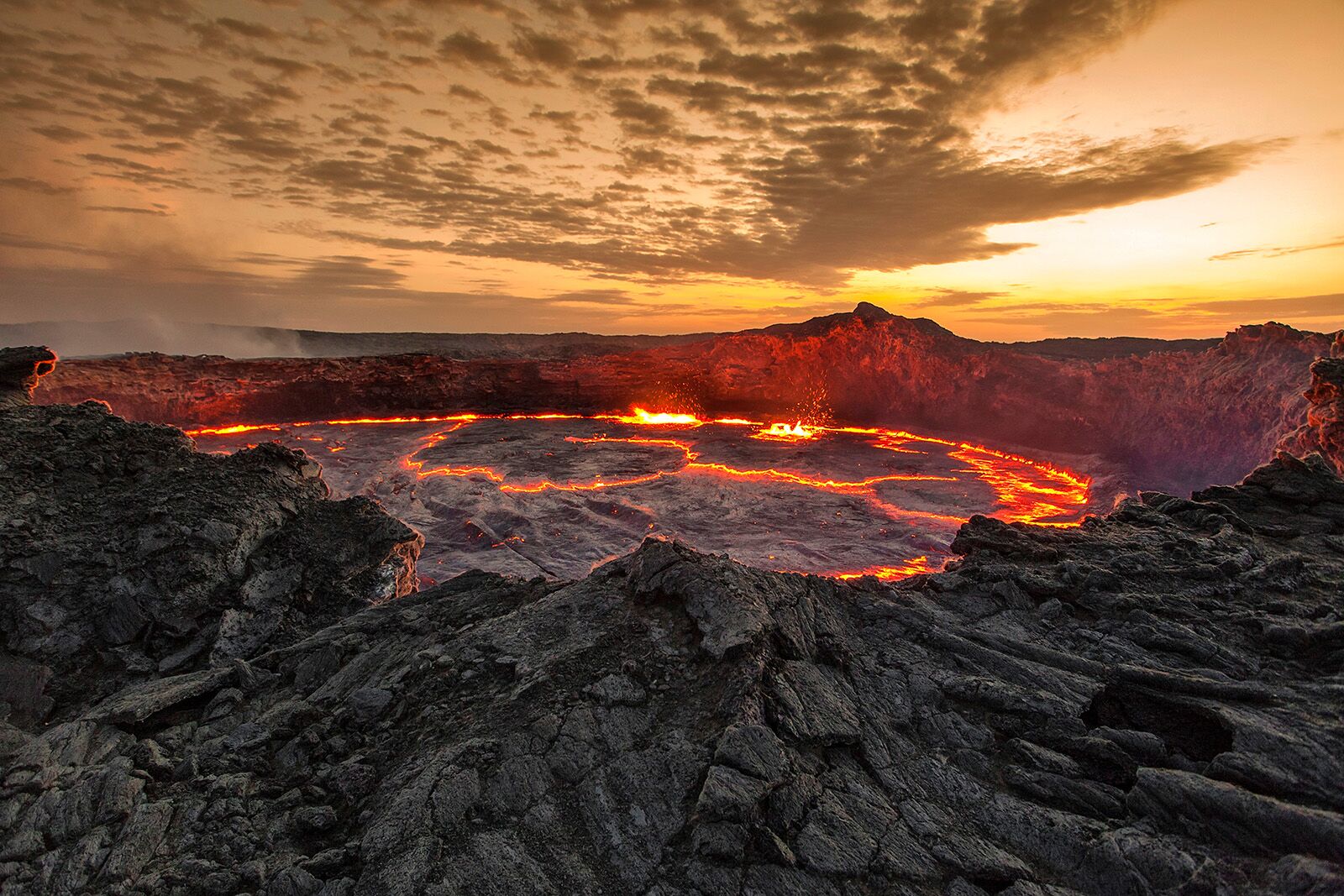 Photo: Tatyana Druzhinina/Shutterstock
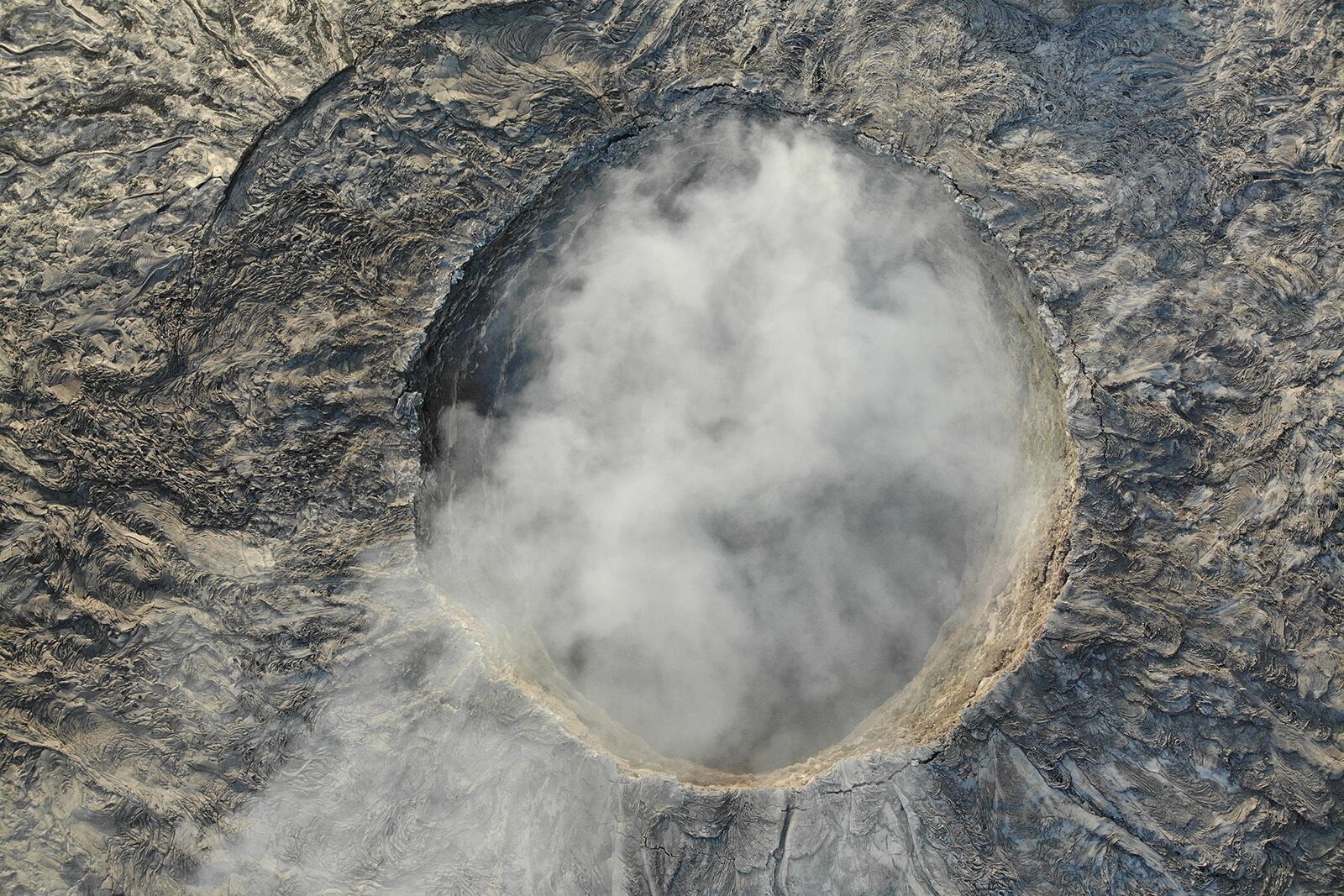 Photo: Ilya Unknown/Shutterstock
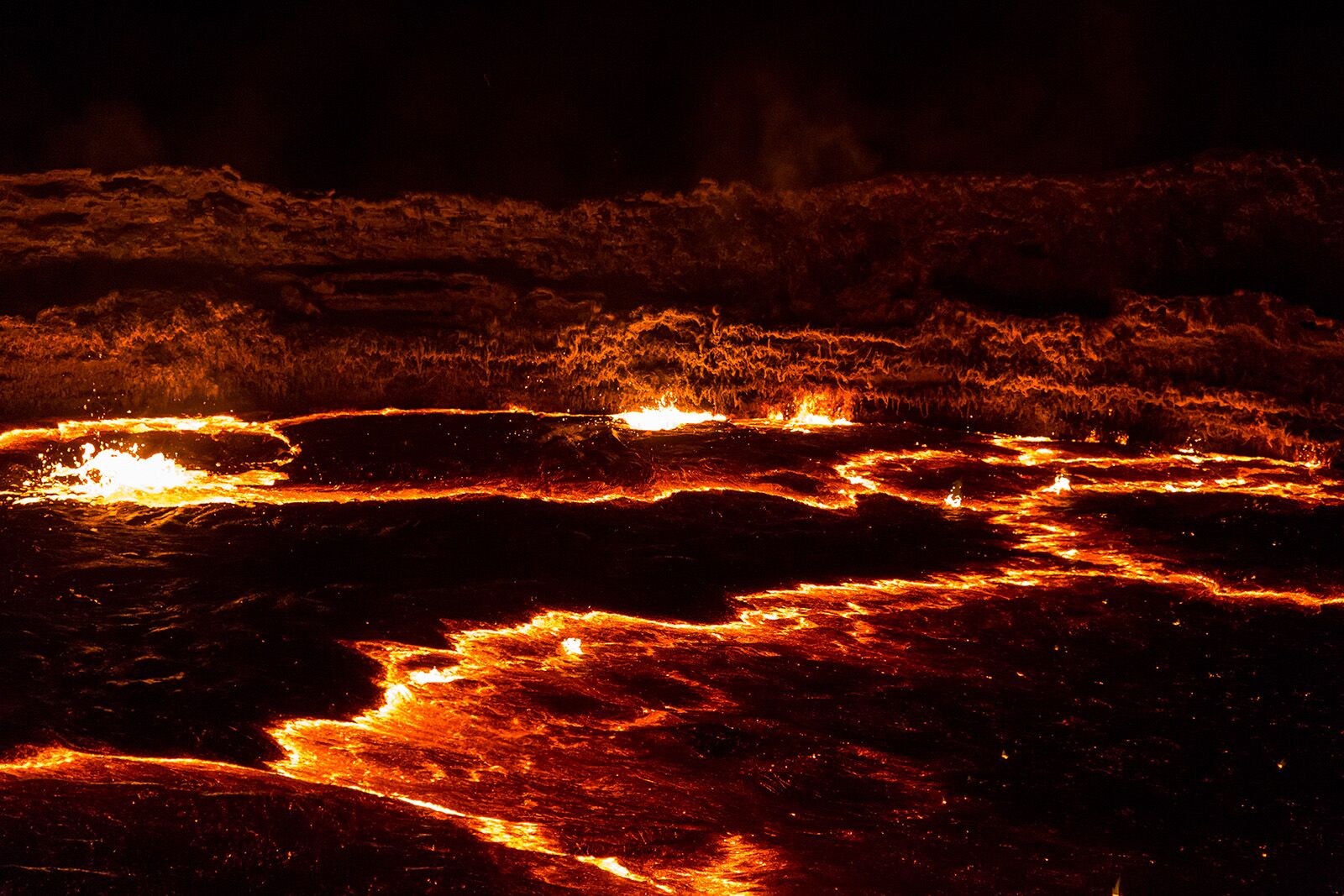 Photo: Stefan Warwas/Shutterstock
Erta Ale is a basaltic shield volcano in the Danakil Depression in northeastern Ethiopia. Its most distinctive feature is a rare and mesmerizing lava lake that has been active since at least 1906, when it was “discovered” by modern-day scientists. The area’s extreme conditions — intense heat, arid terrain, and a location below sea level — make it one of the most inhospitable places on Earth, as well as one of the coolest volcanoes you can see in real life. Some say it looks like Mordor from the Lord of the Rings series.
Visiting Erta Ale is not for the faint of heart. It’s extremely remote, with a harsh climate and potential security risks due to sporadic violence in the region. Tour operators offering expeditions typically include armed escorts for safety.
- Nearest town: Mekele
- Accessibility: Only possible via guided expeditions with permits (usually from nearby Dodum)
- Current state: Active, with a persistent lava lake
Fagradalsfjall, Iceland
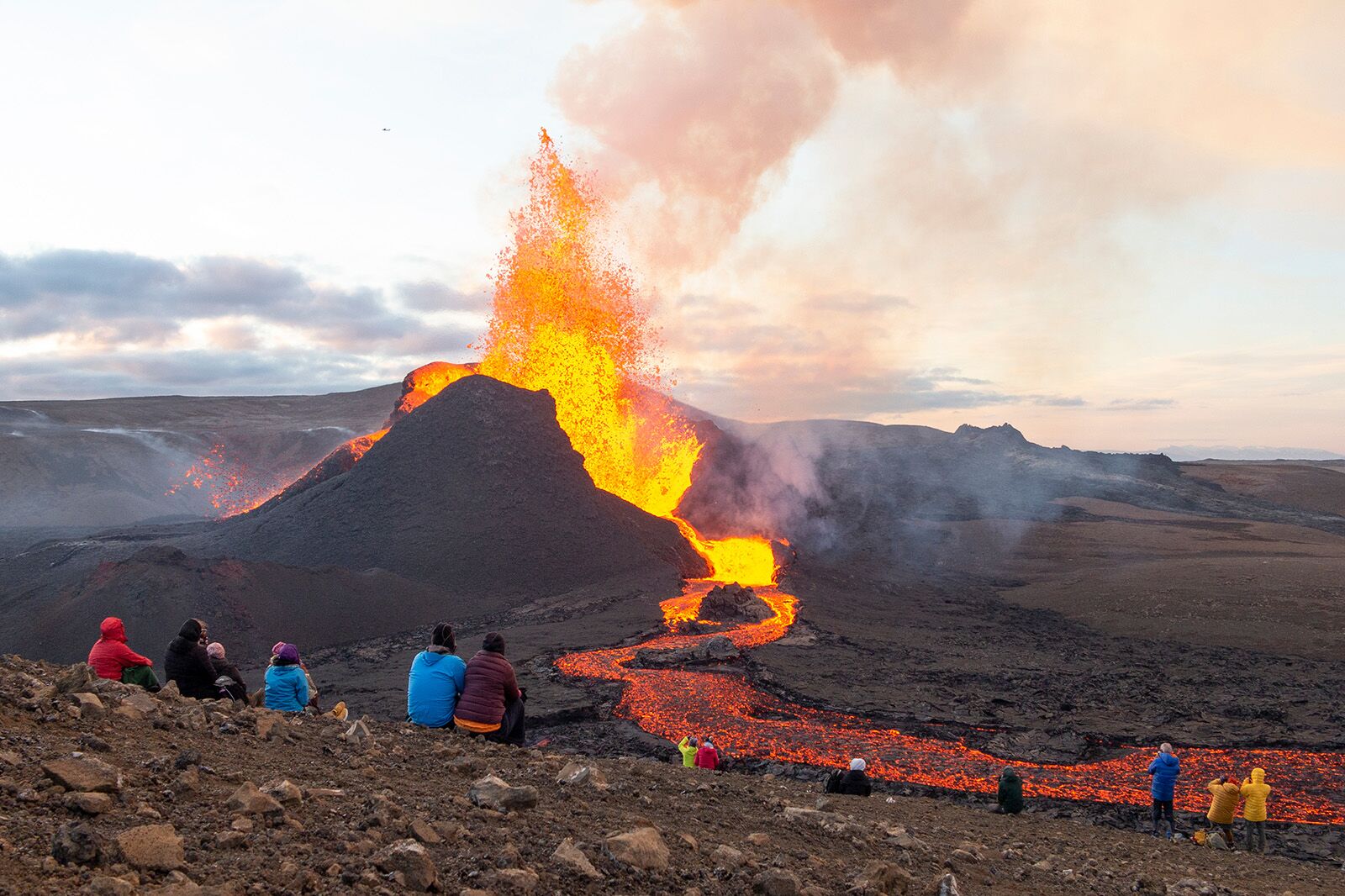 Photo: Thorir Ingvarsson/Shutterstock
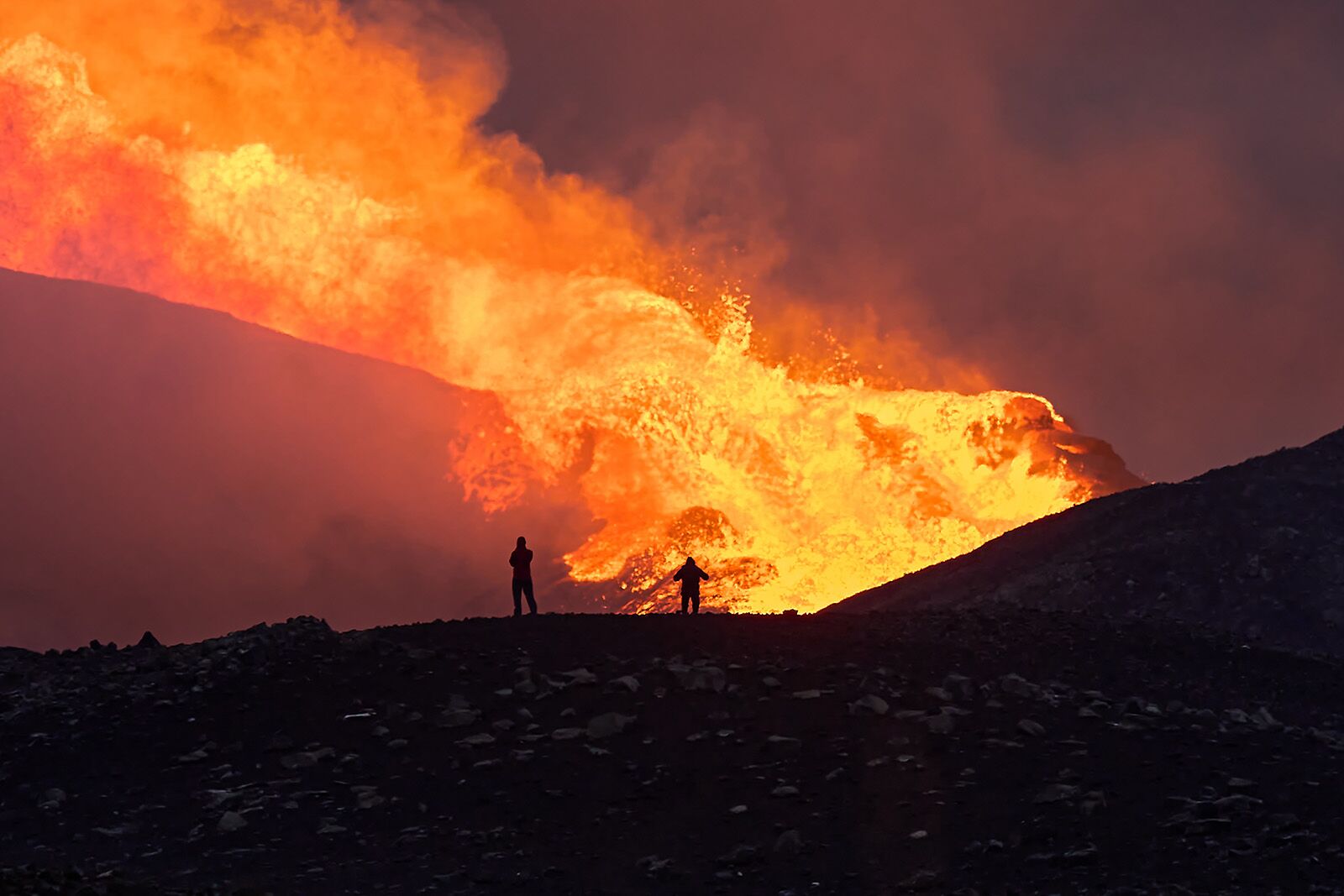 Photo: Hugo Hansen/Shutterstock
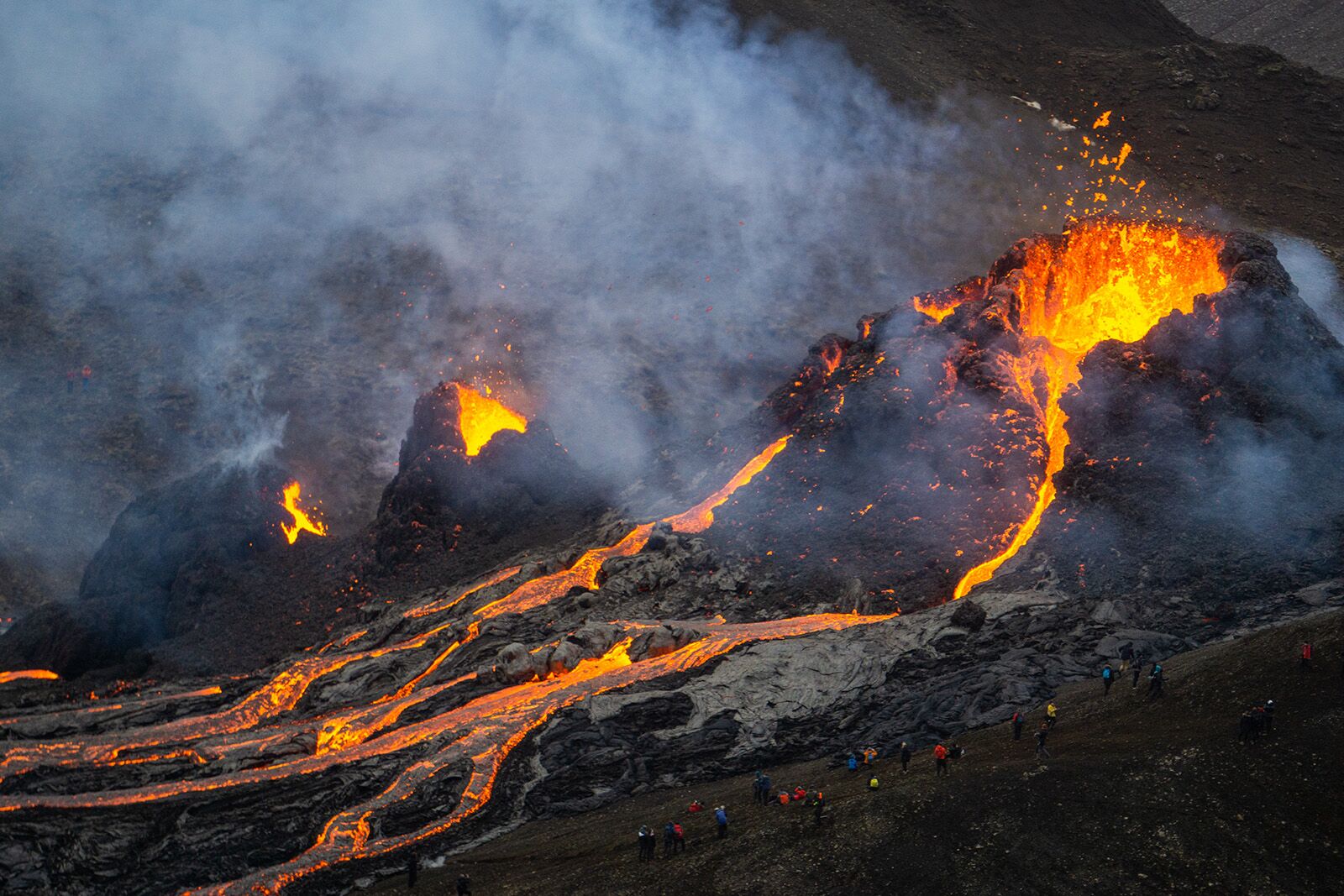 Photo: Daniel Freyr/Shutterstock
Fagradalsfjall, on Iceland’s Reykjanes Peninsula, gained global attention with a breathtaking eruption in 2021, during which visitors could witness lava flows up close. The eruption transformed the barren landscape into expansive lava fields, making it a must-visit site for anyone interested in the dynamic power of geology.
Near Reykjavik, Fagradalsfjall remains a popular and accessible attraction. However, the Reykjanes Peninsula has experienced heightened volcanic activity in recent years, prompting evacuations in nearby areas and temporary closures of tourist sites like the iconic Blue Lagoon.
- Nearest town: Grindavík
- Accessibility: Hiking trails to the eruption site are open to the public, subject to current activity levels
- Current state: Active, with sporadic eruptions
- Where to stay: The best Airbnbs in Reykjavik
Mount Nyiragongo, Democratic Republic of the Congo
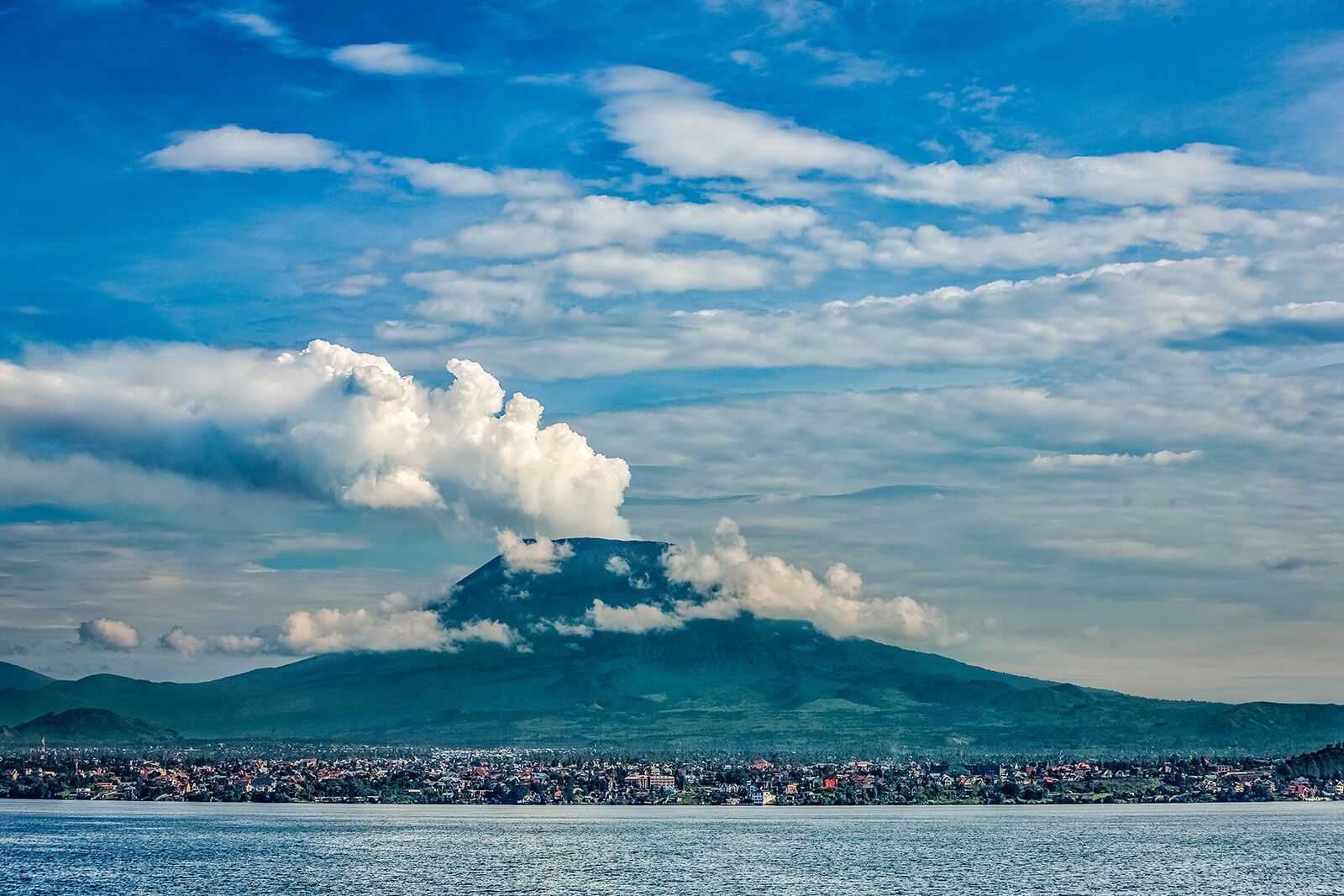 Photo: Ben Houdijk/Shutterstock
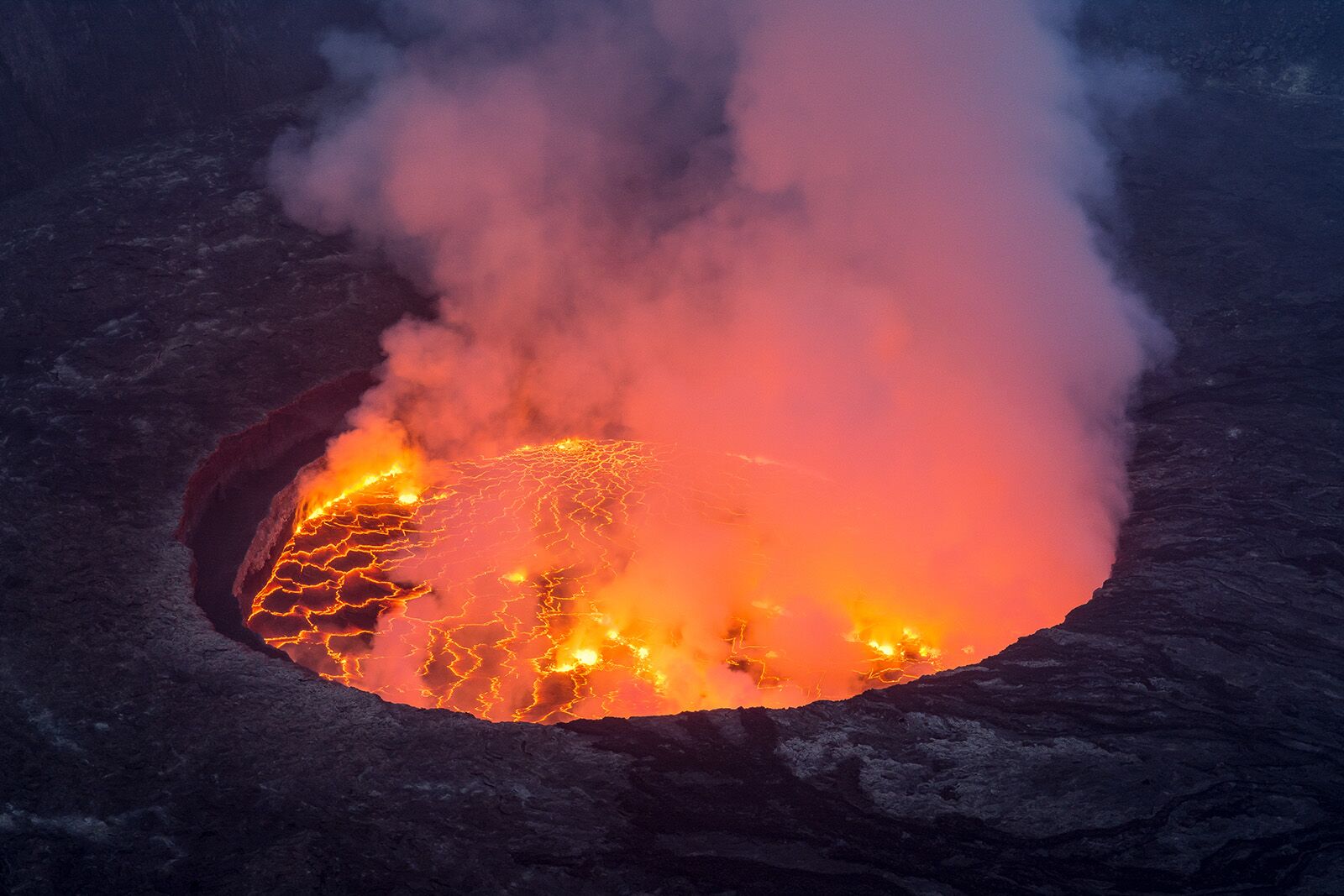 Photo: Ivanfaurephotographer/Shutterstock
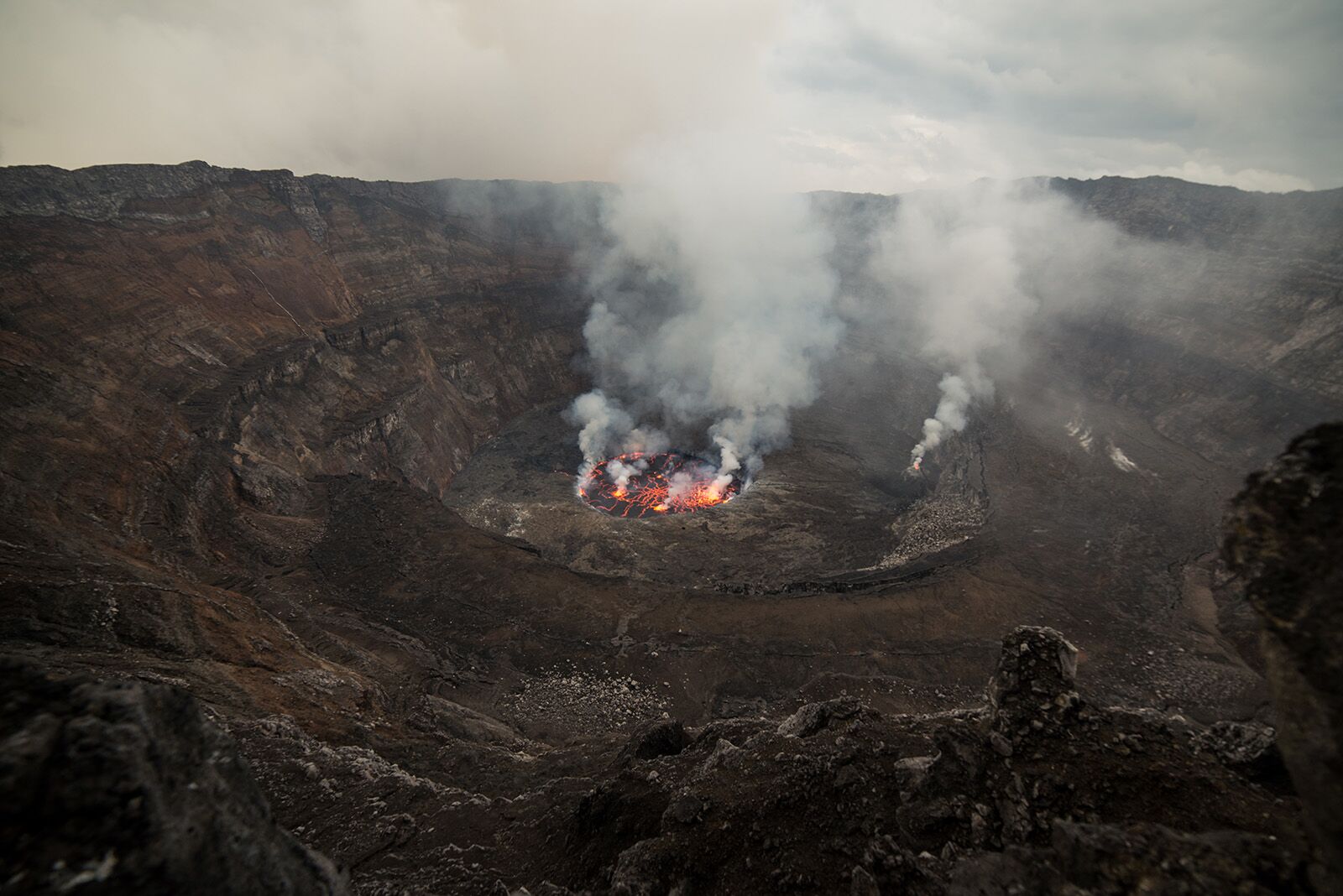 Photo: The Road Provides/Shutterstock
Mount Nyiragongo is home to one of the world’s largest and most active lava lakes. But the volcano’s eruptions, such as the catastrophic 2002 event that killed 245 in Goma, showcase its destructive potential: lava flows on Mount Nyiragongo are notorious for high speeds that make them particularly dangerous, reaching up to 37 miles per hour.
Despite the risks, adventurous travelers are drawn to Mount Nyiragongo for the rare opportunity to camp near its crater and gaze into its cauldron, making it one of the coolest volcanoes in the world for adrenaline junkies. Reaching the summit requires a strenuous six-hour hike through the Virunga Mountains.
- Nearest town: Goma
- Accessibility: Possible, but only with a guide and permits
- Current state: Active, with intermittent eruptions
Mauna Loa, Hawaii
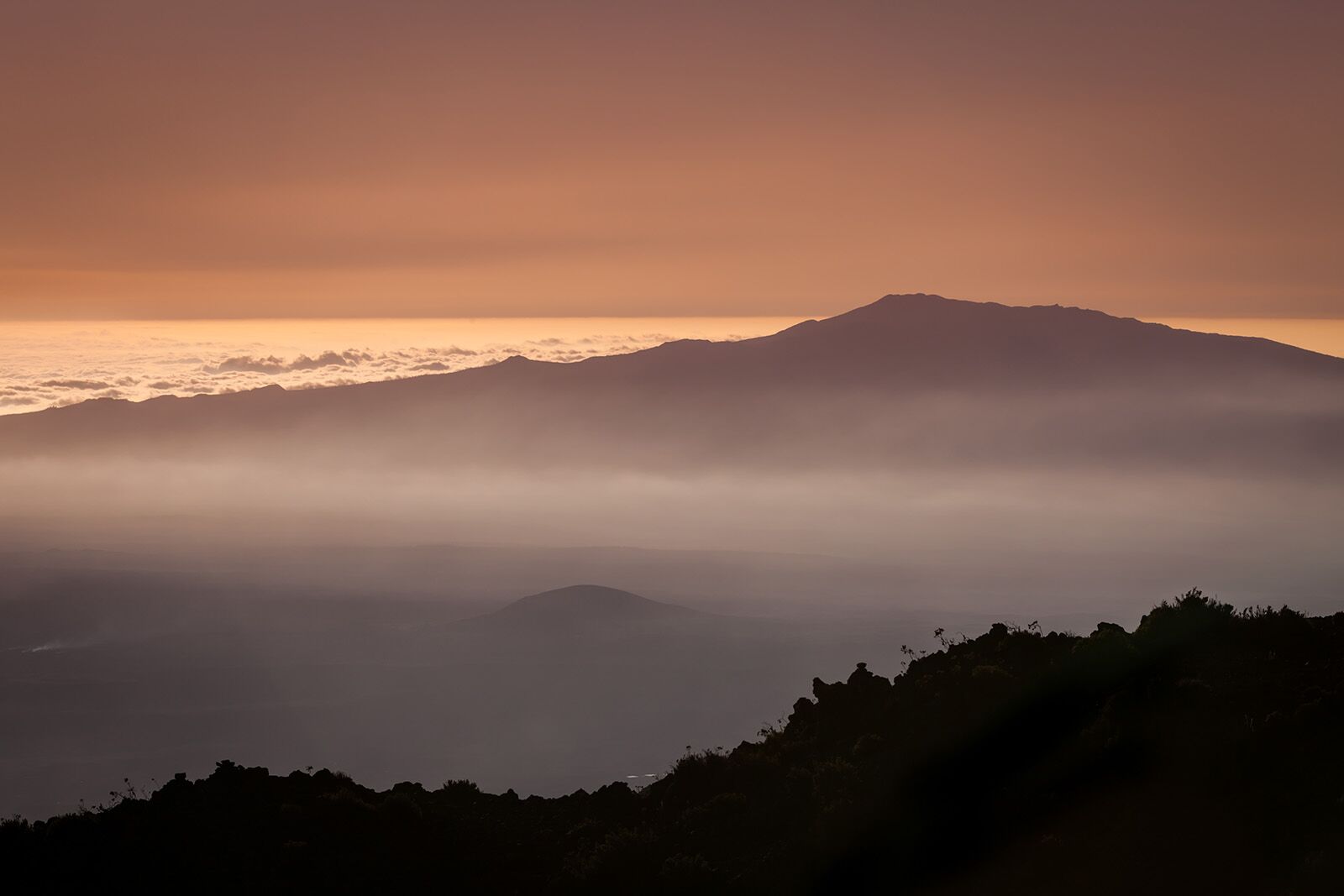 Photo: Gilles Gaonach/Shutterstock
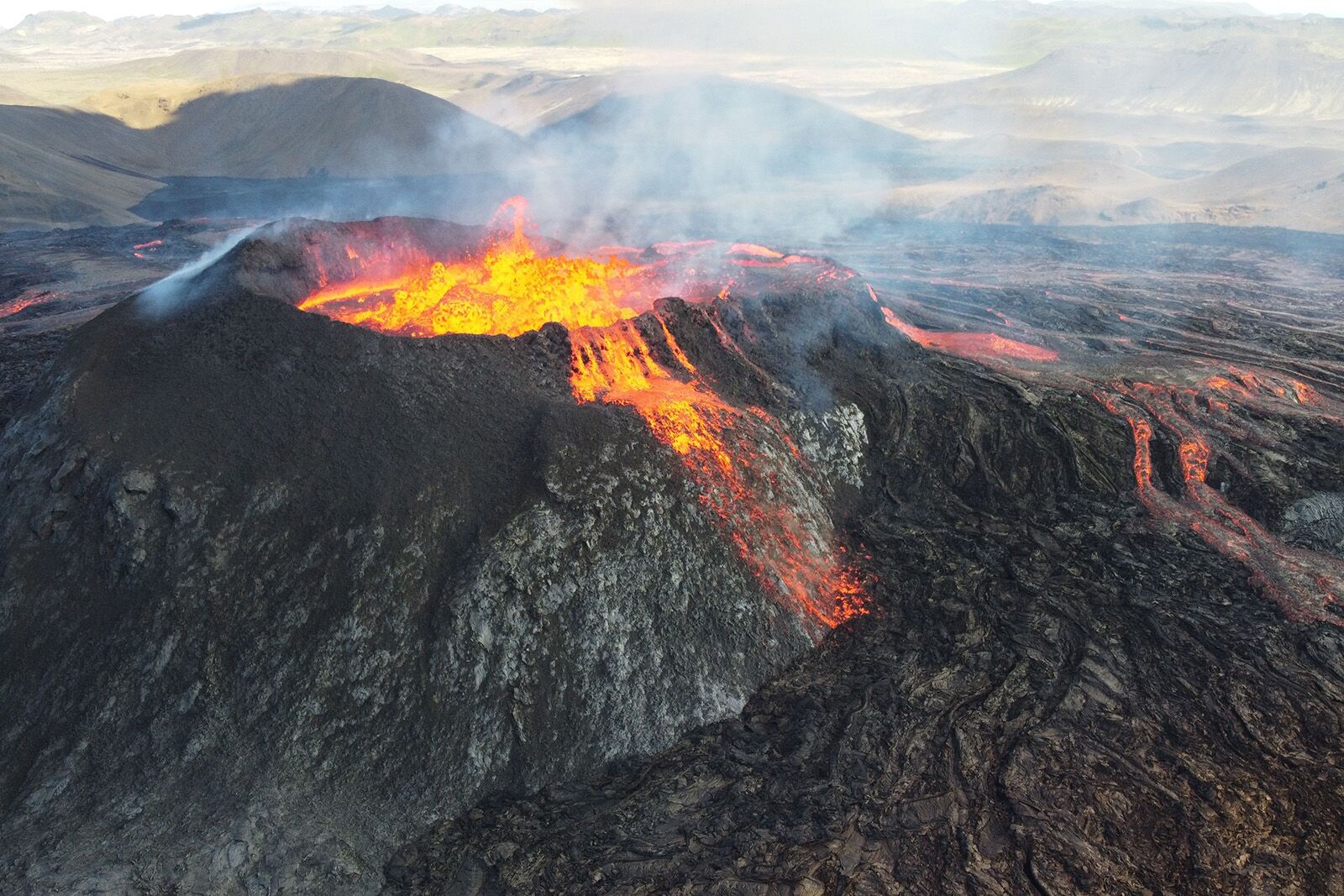 Photo: Wirestock Creators/Shutterstock
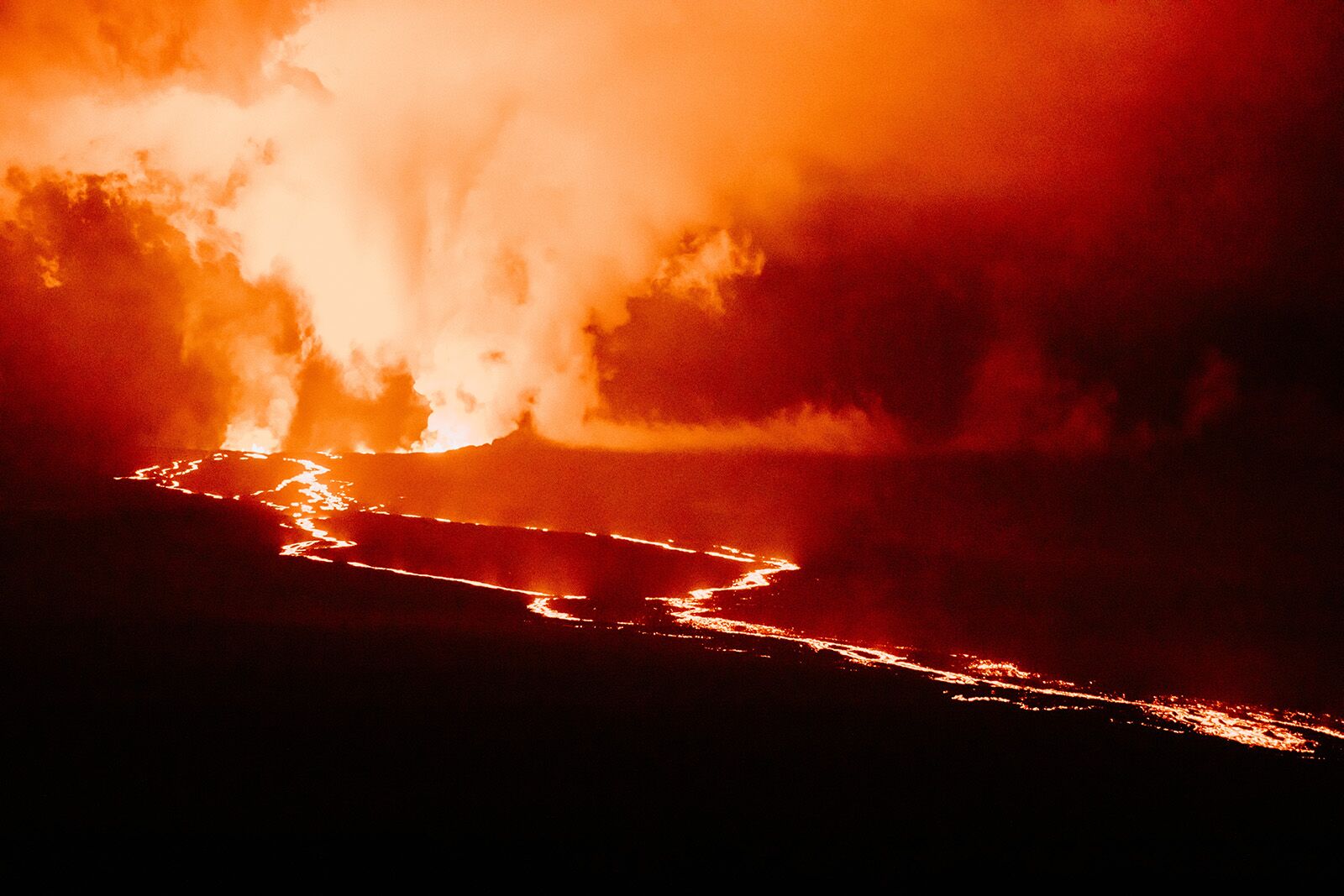 Photo: Hawaii Photographer/Shutterstock
Mauna Loa, the largest active volcano on Earth by mass and volume, is a titan of geological significance. On Hawaii’s Big Island, it has a gentle, shield-like slope that belies its immense power. The most recent eruption in late 2022, though relatively mild, reminded the world of its potential. Historically, Mauna Loa has produced massive lava flows that have overrun villages and reshaped landscapes.
Today, Mauna Loa’s activity is closely monitored, and its surrounding area within Hawaiʻi Volcanoes National Park is popular among visitors for hiking, stargazing, and learning about the unique volcanic ecosystem.
- Nearest town: Hilo
- Accessibility: Public hiking trails, but you’ll need a permit to hike to the summit. Guides not required.
- Current state: Active, with infrequent eruptions
- Where to stay: The best Airbnbs on the Big Island
Mount Etna, Italy
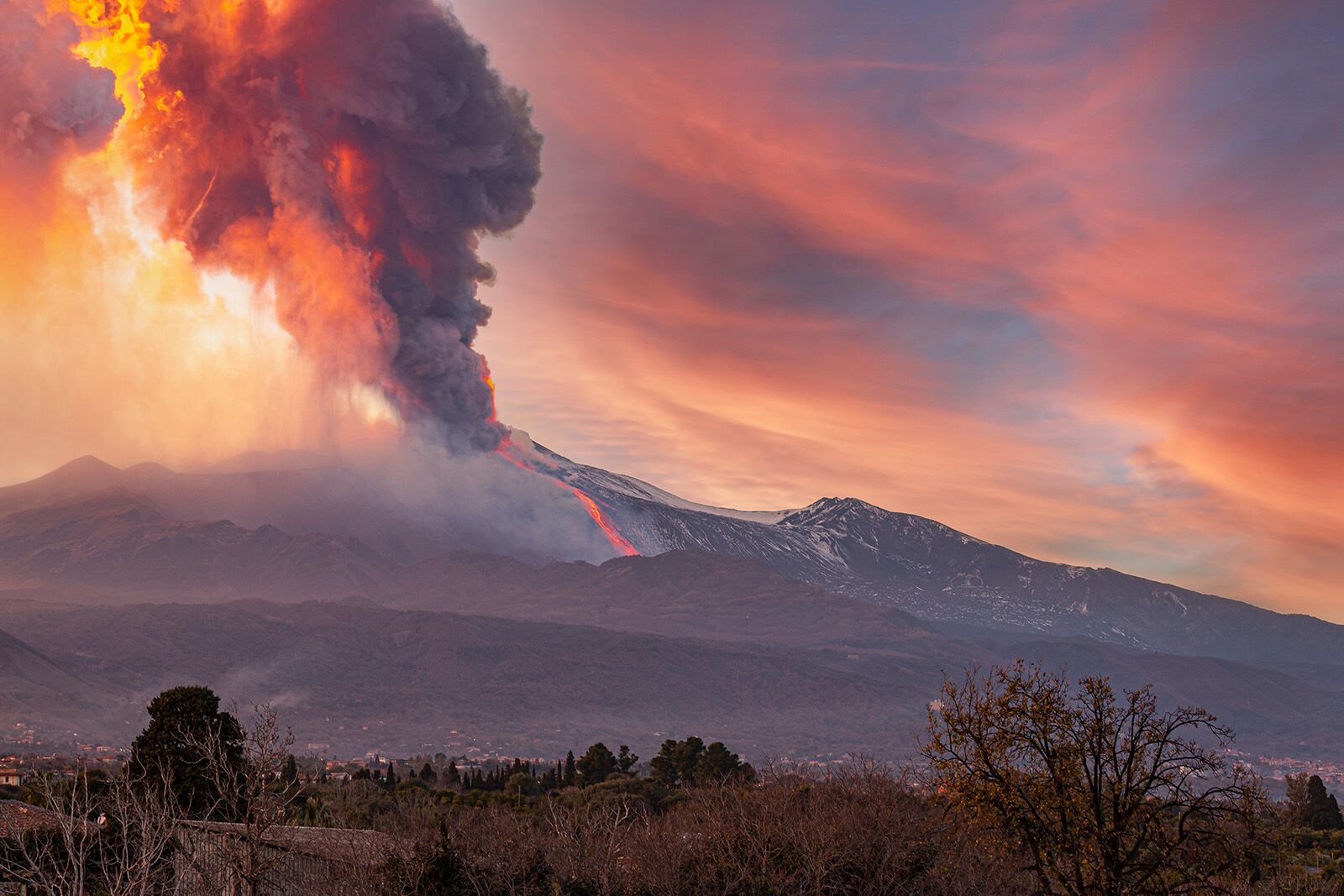 Photo:
all science volcano
Photo:
all science volcano
Author Of article : Rulo Luna Ramos


Japan is using yoghurt to tackle loneliness
The yoghurt delivery women combatting isolation in Japan مصدر …
